

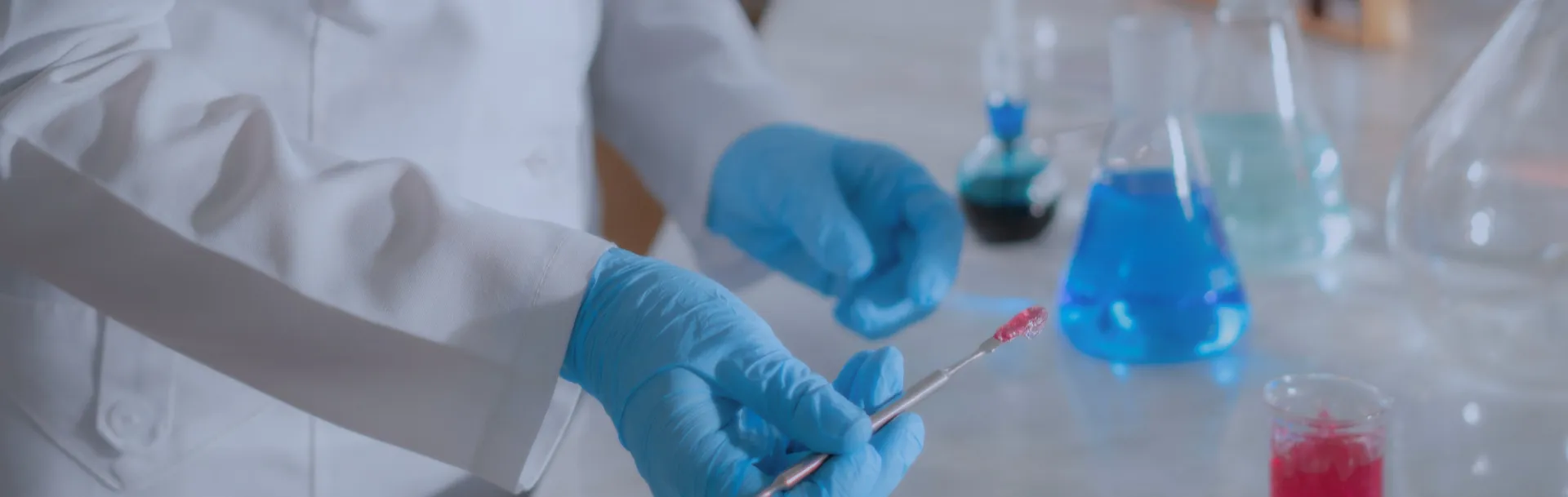
The Lifecycle Of An API: From R&D To Commercial Scale Manufacturing
In the world of drug development, Active Pharmaceutical Ingredients (APIs) form the beating heart of every therapy. But behind that tiny tablet or sterile vial lies a multi-year journey of scientific innovation, process development, regulatory scrutiny, and manufacturing scale-up.
The API lifecycle is anything but linear, it is an intricate dance of chemistry, compliance, cost, and collaboration. From the first spark of discovery to global commercial supply, every stage presents its own technical and strategic complexities. Let’s break down what it really takes to bring an API from R&D bench to market shelf and why partnering with the right Contract Development and Manufacturing Organization (CDMO) can make all the difference.
Discovery and Route Design: Laying the Scientific Foundation
The lifecycle of an API begins with drug discovery and lead optimization, typically conducted by a biotech or innovator pharma company. Once a lead compound is identified, medicinal chemists focus on optimizing the molecule for efficacy, safety, and manufacturability. This stage often involves: Early-stage synthesis of the target compound Preliminary structure-activity relationship (SAR) studies Selection of a non-infringing, cost-effective route of synthesis Initial impurity profiling and stability screening The goal is to identify a scalable and economically viable synthetic route that can eventually support kilo-scale and ton-scale production.
Moreover, regulatory agencies like the FDA and EMA are increasingly adopting accelerated approval pathways, conditional approvals, and real-time review frameworks, which demand manufacturing readiness earlier in the development cycle. This shift is placing greater emphasis on efficient Chemistry, Manufacturing, and Controls (CMC) strategies and early integration of scalable processes and capabilities that integrated CDMOs are uniquely positioned to deliver.
Preclinical Development: Proving the Molecule Works
Once the molecule’s route is defined, the next phase is non-clinical (preclinical) development. This involves: Scaling up to gram-to-kilogram levels for toxicology studies Producing Good Laboratory Practice (GLP)-grade API for animal testing Further optimization of reaction conditions, yields, and purities Often, this is when innovators begin working with a CDMO to develop a robust and reproducible process that can evolve through the clinical lifecycle. Speed and flexibility are key, especially as changes are common at this stage.
Clinical Trial Supply: From Milligrams to Kilograms
As the molecule moves into human trials (Phase I to III), clinical-grade API must be manufactured under current Good Manufacturing Practice (cGMP) standards. Each clinical phase demands increasing batch sizes: Phase I: 100g – 1kg Phase II: 1 – 10kg Phase III: 10 – 100+ kg Key activities during this phase include: Process development and scale-up Establishment of critical process parameters (CPPs) Analytical method validation Comprehensive impurity identification and control strategies This is also where regulatory documentation becomes vital. The process and analytical data are submitted in CMC (Chemistry, Manufacturing & Controls) sections of the Investigational New Drug (IND) or Clinical Trial Application (CTA)
Tech Transfer and Validation: Bridging Lab and Plant
Transitioning from clinical supply to commercial readiness demands a robust tech transfer strategy. Poorly managed tech transfers often lead to costly delays or even batch failures. Best practices include: Detailed Technology Transfer packages (TTPs) Risk assessments (FMEA, HAZOP) to identify scale-up challenges Engineering batches at pilot scale to iron out scale-related variables Process validation batches (typically three consecutive) to establish reproducibility This phase is crucial to ensure the API meets quality, safety, and efficacy standards consistently across full-scale manufacturing.
Commercial Manufacturing: Scaling with Consistency
Once the drug is approved, the focus shifts to long-term commercial supply. This means: Producing API at 100s of kilograms to metric ton scale Managing supply chain resilience, cost optimization, and inventory control Continuously improving processes under Continual Process Verification (CPV) Preparing for post-approval changes (PACs) and regulatory inspections At this point, reliability, capacity, and regulatory compliance become the key differentiators. Even a minor deviation can affect product integrity, patient safety, or result in supply disruption – a risk no innovator can afford.
Lifecycle Management and Optimization
The journey doesn’t end at commercialization. Over time, innovators aim to: Reduce cost of goods (CoGs) via yield improvement or greener chemistry Optimize supply chain logistics through regional manufacturing File supplementary filings for process improvements Prepare for generic defense or patent expiry strategies Strong CDMOs proactively support these goals with data-driven process optimization, regulatory intelligence, and global supply capabilities.
Conclusion
The lifecycle of an API is a journey of transformation from lab curiosity to life-saving compound. Every gram produced carries the weight of patient lives, regulatory scrutiny, and commercial expectations.
For pharma innovators, choosing the right CDMO is more than a tactical choice rather it’s a strategic partnership that can determine the success or failure of a molecule.
At LMS, we don’t just manufacture molecules, we co-create solutions that deliver impact, scale, and sustainability.